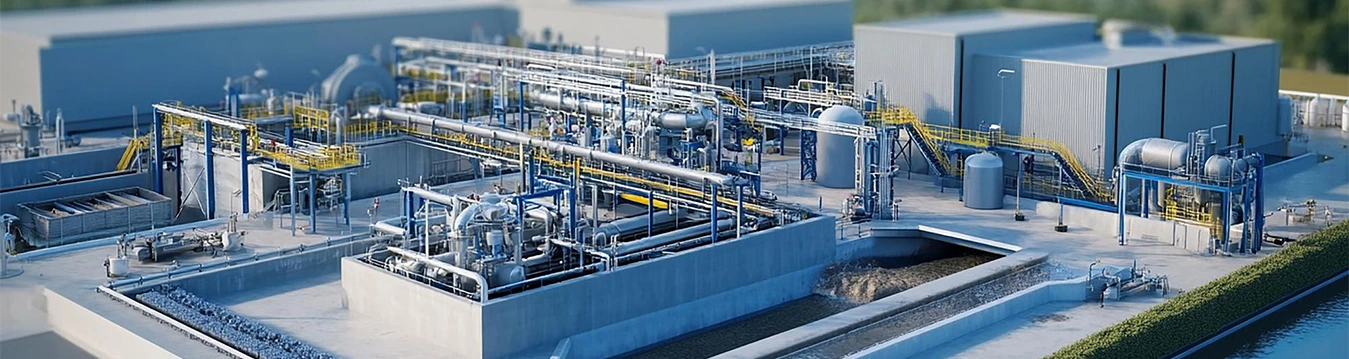
Water Demineralization (DM) Plant in Gujarat
Our Products
Water Demineralization (DM) Plant
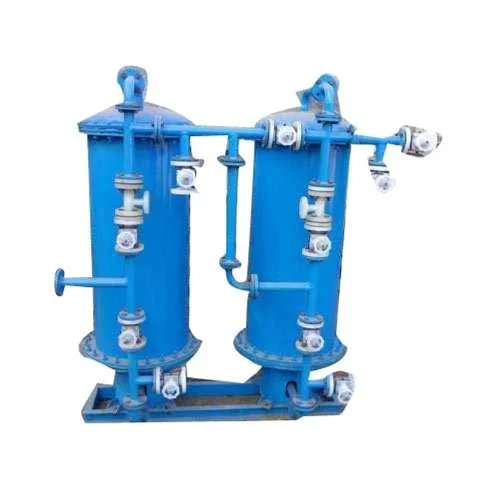
Product Specification
| Specification | Value |
|---|---|
| Brand | Crown Puretech |
| Capacity(LPH) | 500 LPH |
| Inlet Flow Rate (m3/hr) | 100 m3/hour |
| Automation Grade | Automatic |
| Water Source | Industrial Effluent |
| Voltage(V) | 240V |
| Frequency Range | 50-60Hz |
Crown Puretech takes pride in its specialization in manufacturing and exporting a cutting-edge DM Plant – a robust and innovative solution designed to meet the diverse needs of industries requiring demineralized water. Our DM Plant stands out as a pinnacle of high reliability, user-friendly operation, and unparalleled efficiency.
DM Plant, Crown Puretech extends its expertise to an excellent Perforating Plant. Clients seeking top-notch solutions for perforation needs can confidently reach out to us for innovative, reliable, and high-performance equipment.
Download Brochure
Crown Puretech E CatalogueRobust Construction on Wheels
Our DM Plant boasts a robust construction designed for mobility, featuring wheels that facilitate easy movement. This versatility ensures adaptability to varying operational requirements within your facility.
Compact Assembly for Single-Person Control
The plant is a compact assembly of units, intelligently designed to be controlled by a single person. This streamlines operations, enhances efficiency, and allows for seamless handling by crew members.
Innovative Technology and Progressive Design
Crown Puretech integrates innovative technology and a progressive design ethos into every DM Plant. Stay at the forefront of demineralized water solutions with a system that embodies advancements in water treatment.
User-Friendly Operation
Prioritizing user-friendliness, our DM Plant is equipped with intuitive controls and interfaces. This ensures that operations can be easily managed by personnel, contributing to a smooth and hassle-free user experience.
Customer-Oriented Design
Every aspect of our DM Plant is crafted with the customer in mind. We understand the importance of aligning our solutions with client needs, resulting in a customer-oriented design that exceeds expectations.
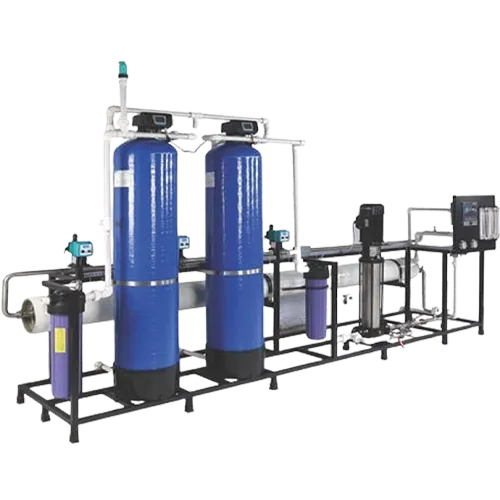
R.O. (Reverse Osmosis) System
Read More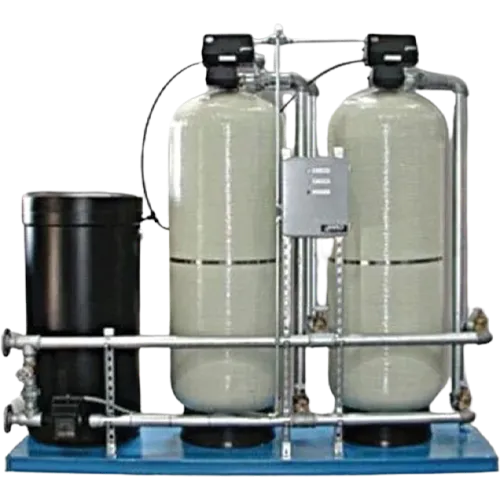
Water Softener
Read More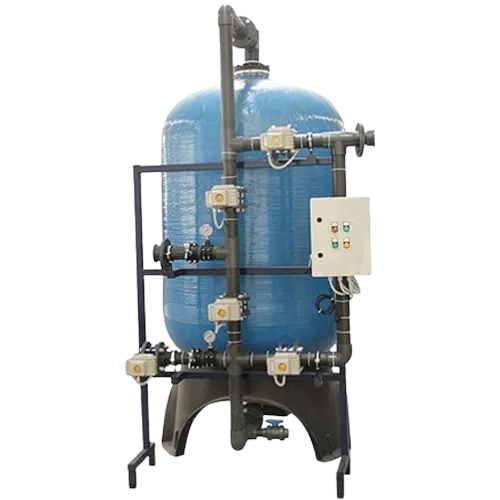
Media Filtration System
Read More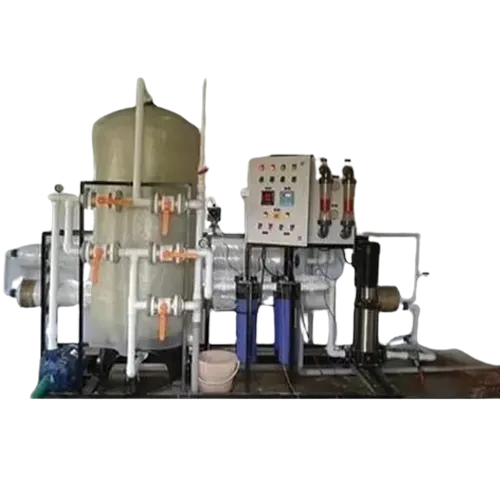
Ultra-Violet (UV) Filtration System
Read More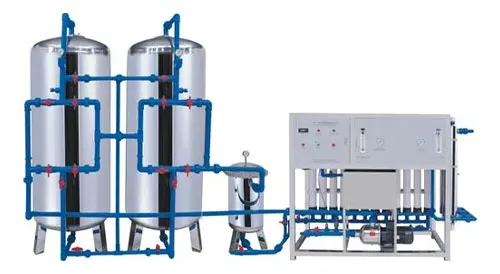
Ultra-Filtration (UF) System
Read More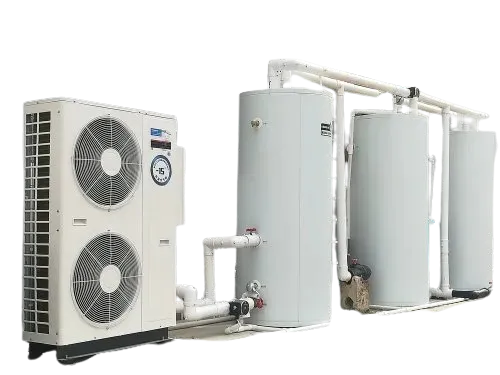
Heating System
Read More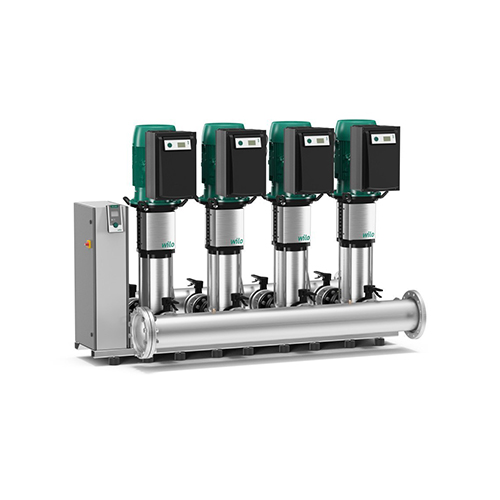
Pressure Booster System
Read More