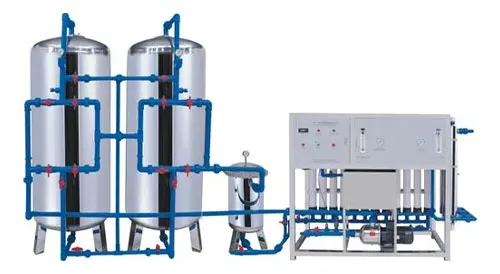
Water Treatment Plant Manufacturer Company in Gujarat
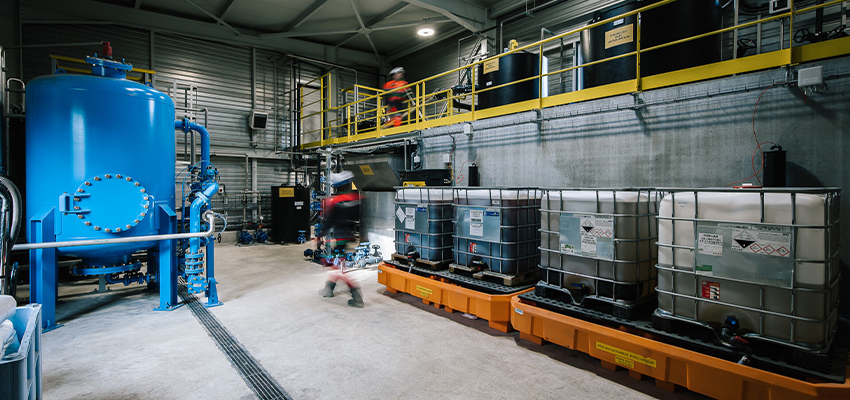
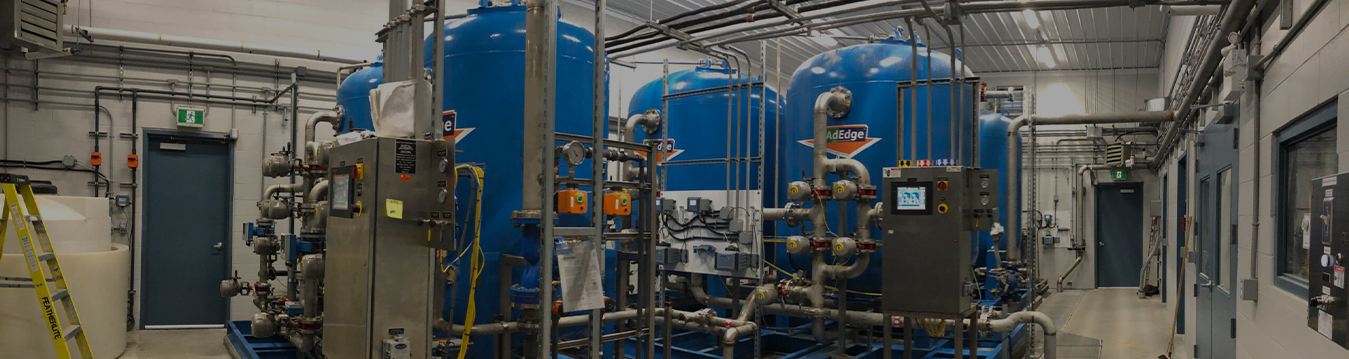
Industrial Water Treatment Plants Manufacturers
With the scarcity Of Raw water everywhere, the water available is not surface water these days. Surface waters are generally not suitable for drinking purposes. Water cannot be even obtained from borewell due to its limitation of digging deep.
Water can dissolve a very wide range of substances, either partially or completely like impurities, turbidity, colour, Odor issues, etc. It means that water typically needs to be treated to suitable for domestic or agricultural user or alternatively to render waste water safe enough to allow it to be released back into the environment.
Main Stages of Water Treatment
Coagulation and Flocculation
Coagulation is the first step in water treatment, where chemicals (coagulants like aluminium sulphate or ferric chloride) are added to the water. These chemicals cause small, suspended particles and contaminants in the water to clump together into larger particles.
Flocculation follows, where gentle mixing causes these larger particles, called flocs, to grow further in size, making them easier to remove.
Sedimentation
Once the flocs have formed, the water moves into a sedimentation tank where these heavy particles settle at the bottom due to gravity. This process significantly reduces the turbidity (cloudiness) of the water.
Filtration
After sedimentation, the water passes through filters composed of sand, gravel, and sometimes activated carbon. These filters remove any remaining particles and impurities, such as bacteria, viruses, and suspended solids, that escaped the earlier stages.
Disinfection
In this stage, disinfectants like chlorine, chloramine, or ultraviolet (UV) light are applied to the water to kill or deactivate any harmful microorganisms, including bacteria, viruses, and parasites. Disinfection is critical to ensuring that the water is safe for human consumption.
pH Adjustment
The pH level of the water may need to be adjusted to prevent corrosion in the distribution system or to improve the efficiency of disinfectants. This is done by adding chemicals such as lime or sodium hydroxide to bring the pH to a neutral level.
Fluoridation (Optional)
Some water treatment plants add fluoride to the water to promote dental health. This practice is common in many countries, though it may not be applied in all water treatment facilities.
Storage and Distribution
After the treatment process is complete, the clean water is stored in reservoirs or tanks before being distributed through a network of pipes to homes, businesses, and other consumers.
Types of Water Treatment Plants
Drinking Water Treatment Plants
These plants focus on treating water to meet potable water standards, ensuring it is safe for human consumption.
Industrial Water Treatment Plants
These facilities treat water used in industrial processes, removing impurities that could affect machinery, production quality, or compliance with environmental regulations.
Desalination Plants
Desalination plants remove salt and other minerals from seawater or brackish water to make it suitable for drinking and industrial use. Common processes include reverse osmosis and distillation.
Importance of Water Treatment Plants
Public Health
Ensures the removal of pathogens and harmful chemicals from water, preventing waterborne diseases.
Environmental Protection
Prevents the contamination of natural water bodies by removing pollutants before discharge.
Sustainability
Conserves freshwater resources by enabling the reuse of treated water in industrial and agricultural processes.
Water Treatment System
Indutrial
Commercial
Residential
- Water Conditioner
- Media Filtration System
- PSF (Pressure Sand Filter)
- ACF (Activated Carbon Filter)
- Iron, Fluoride and Anthracite Media
- Water Coolers
- Ozone and Oxygen Generator
- Nano / Micro Filters
- De Salination Plant
- De Mineralization Plants
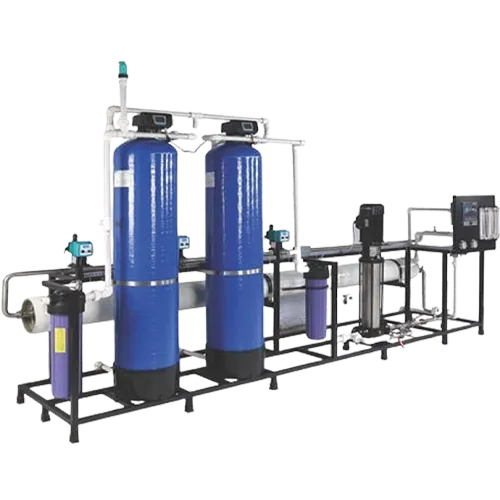
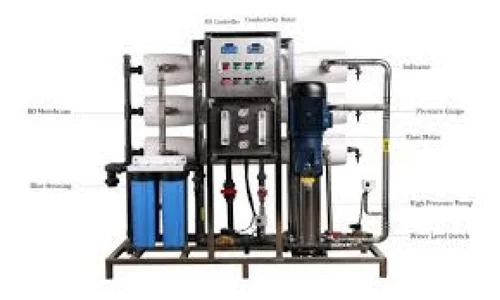
R.O. (Reverse Osmosis)
System
Read More
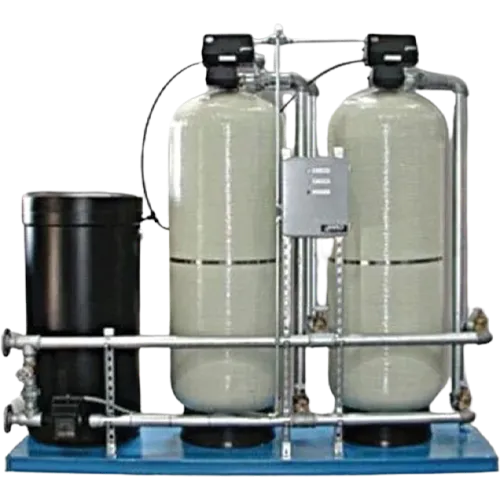
Water
Softener
Read More
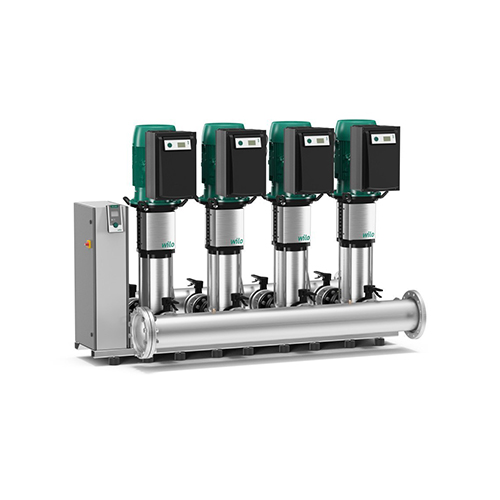
Pressure Booster
System
Read More
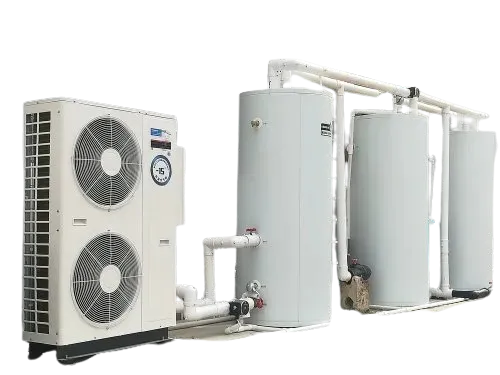
Heating
System
Read More
Alkaline Water
Ionizer
Read More
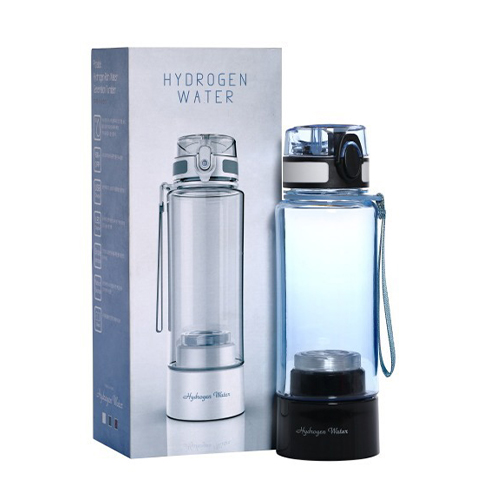
Hydrogen
Bottle
Read More
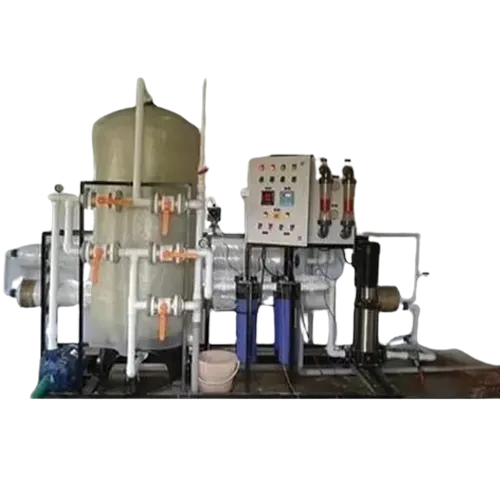
UV Filtration
System
Read More