Services - Crown Puretech

Sewage Treatment Plant in Gujarat

Sewage Treatment Plant by Crown Puretech

Sewage Treatment Plant Processes

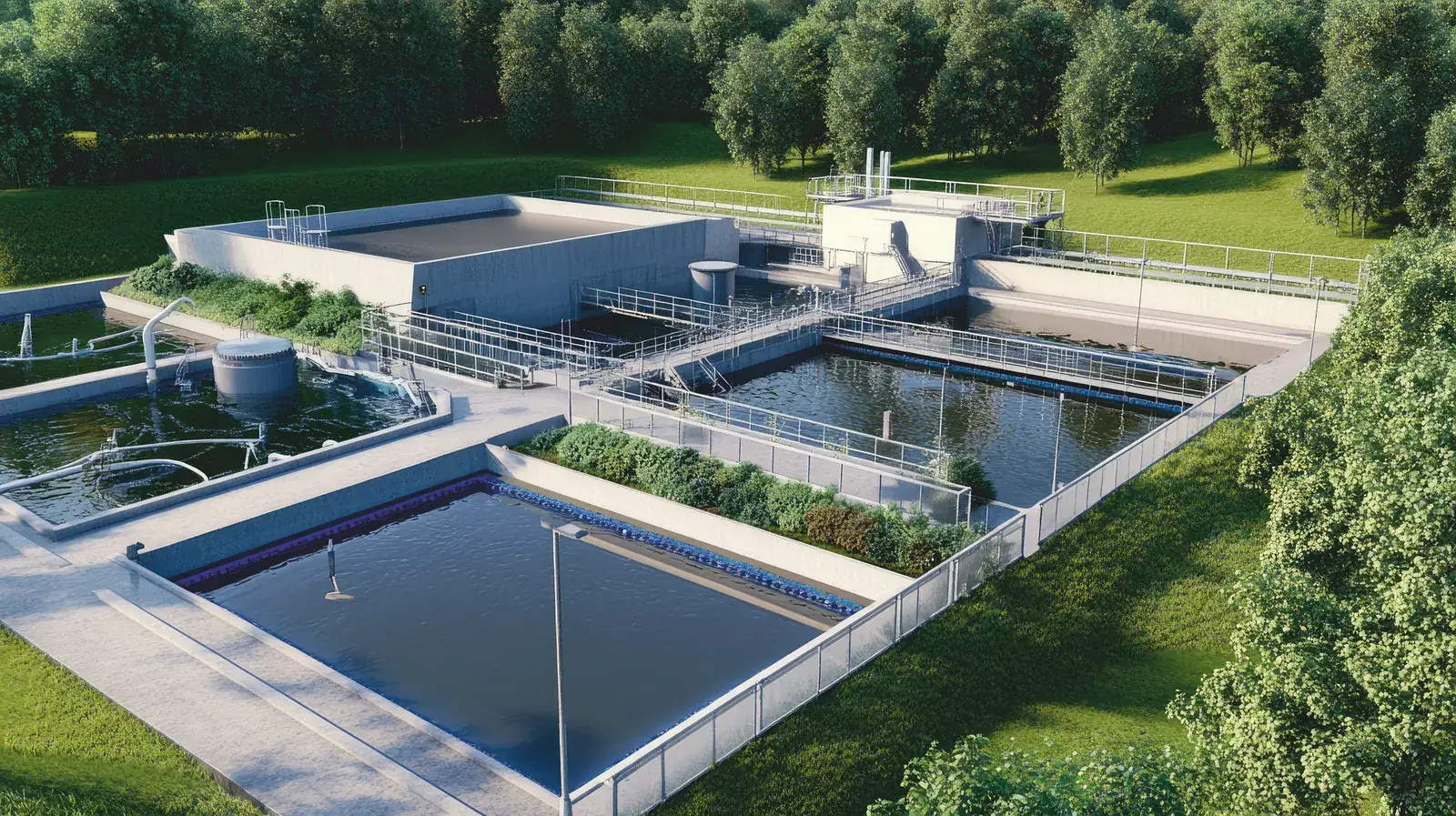
A sewage treatment plant (STP) is a critical infrastructure facility designed to treat municipal waste water, ensuring that it is adequately processed before being released back into the environment or reused. The primary objective is to remove contaminants, protect public health, and minimize environmental impact.

Preliminary Treatment
  • Screening: This stage involves the removal of large debris (such as plastics, leaves, and other non-biodegradable materials) using mechanical screens to prevent damage to subsequent treatment equipment.
  • Grit Removal: Following screening, the waste water flows into grit chambers where heavier inorganic particles, such as sand and gravel, settle to the bottom, reducing wear on pumps and other machinery.
Primary Treatment
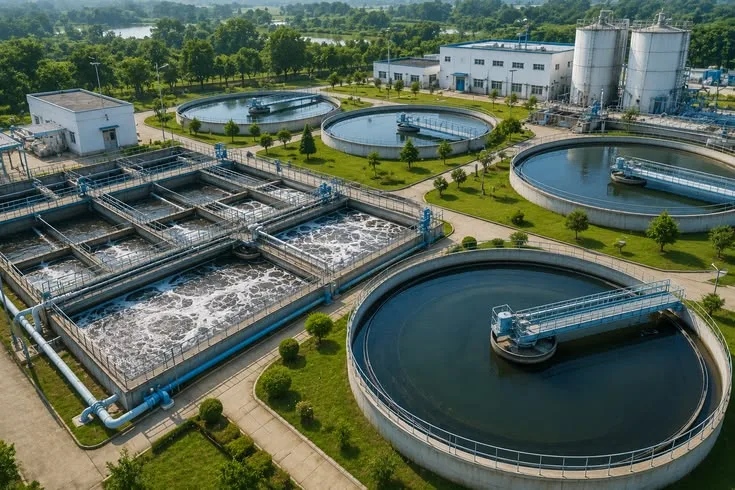
  • Sedimentation: In primary clarifiers, the waste water is held for a period to allow gravity to separate solids (sludge) from liquids. The settled sludge is removed for further processing, while the clarified liquid, referred to as primary effluent, moves on to secondary treatment.
Secondary Treatment

Biological Treatment: This stage leverages microbial activity to decompose organic matter. Common methods include:

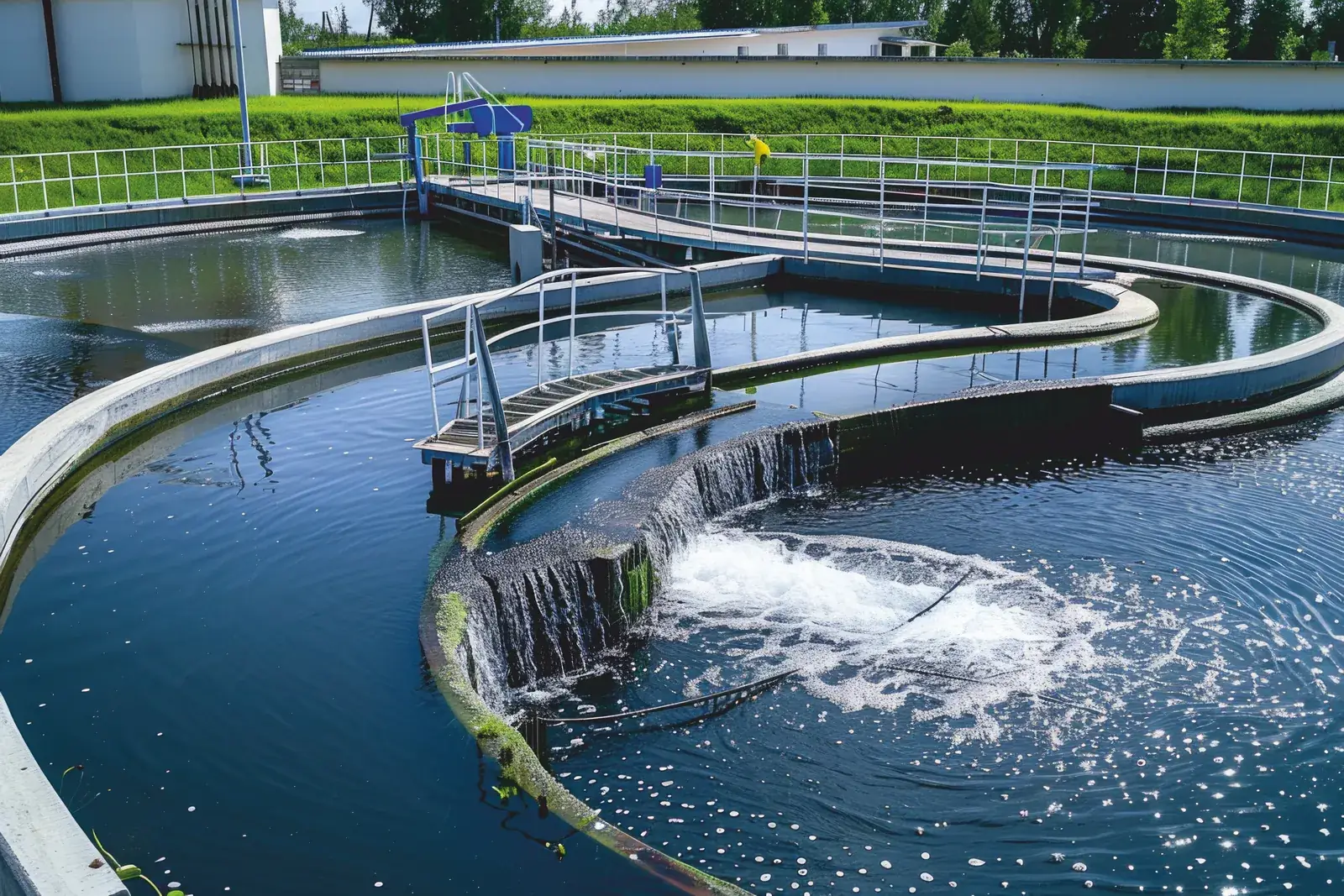
  • Activated Sludge Process: Air is introduced into aeration tanks, fostering aerobic bacteria that consume organic pollutants. The mixed liquor then flows to secondary clarifiers, where biomass is allowed to settle.
  • Biofilm Systems: These systems involve waste water passing over surfaces that support biofilms, where microorganisms attach and metabolize organic contaminants.
  • Secondary Sedimentation: The resultant effluent is separated from the biomass, with excess sludge recycled back to the aeration tanks or removed for treatment.

Tertiary Treatment

This stage is employed to further refine the effluent to meet specific quality standards. Techniques may include advanced filtration, chemical coagulation, nutrient removal (nitrogen and phosphorus), and disinfection (using chlorine or ultraviolet light) to eliminate pathogens.

Sludge Treatment

The accumulated sludge undergoes processes such as anaerobic digestion, which reduces its volume and stabilizes organic matter. Dewatering techniques (like centrifugation or belt presses) are used to prepare the sludge for safe disposal or beneficial reuse, such as land application or energy generation.

Discharge and Reuse

The treated effluent may be discharged into receiving water bodies or reused for non-potable applications, including irrigation, industrial processes, or, in some cases, potable water supply following advanced treatment methods.

Significance of Sewage Treatment
  • Public Health Protection: Effective sewage treatment is vital in preventing the spread of waterborne diseases by removing pathogens and harmful pollutants.
  • Environmental Safeguarding: Treated waste water significantly reduces the risk of water pollution, safeguarding aquatic ecosystems and preserving biodiversity.
  • Resource Recovery: STPs facilitate the recovery of valuable resources, such as water, nutrients (nitrogen and phosphorus), and energy, promoting sustainability in urban environments.
Challenges and Considerations
  • Infrastructure Investment: Establishing and maintaining STPs necessitates substantial financial resources and technical expertise.
  • Emerging Contaminants: The presence of pharmaceuticals, personal care products, and microplastics in waste water presents ongoing challenges that require the development of advanced treatment technologies.
  • Climate Resilience: STPs must be designed to withstand the impacts of climate change, including increased flooding and extreme weather events, ensuring consistent operation and service delivery.

Sewage treatment plants are indispensable to modern urban infrastructure, contributing significantly to public health, environmental protection, and resource sustainability. Their effective operation requires continual innovation and adaptation to evolving challenges and regulatory frameworks.

Frequently Asked Questions

An STP treats domestic sewage from toilets, kitchens and bathrooms, focusing on organic load. An ETP treats industrial effluent containing chemicals, oils and heavy metals. ETPs use industry-specific processes, while STPs follow standard biological treatment to meet CPCB discharge norms.
Space depends on capacity and technology. Compact MBBR and MBR plants need far less area than conventional systems and can be installed underground or on rooftops, making them ideal for apartments, hotels and townships with limited land. Crown Puretech sizes each plant to the available footprint.
MBBR is reliable and low-maintenance for most buildings, MBR gives the highest treated-water quality for reuse but costs more, and SBR suits variable flows. The right choice depends on capacity, reuse needs and budget. Crown Puretech recommends the technology after assessing your actual requirement.
STP cost depends on capacity in KLD, technology and automation level. Small packaged plants start lower, while large MBBR or MBR plants for townships and industries cost more. For accurate pricing, request a capacity-based quote from Crown Puretech with your daily flow and reuse requirement.
Yes. Pollution-control boards such as GPCB and CPCB require housing societies, commercial complexes and industries above defined sizes to install an STP and meet discharge norms. Crown Puretech helps you stay compliant with the correct capacity and documentation support.
Yes. Properly treated sewage water can be reused for gardening, flushing, cooling towers and construction, cutting fresh-water demand. With tertiary treatment it meets reuse standards. Water recycling lowers operating costs and supports sustainability and ESG goals for industries and townships.

Get in Touch