Services - Crown Puretech

Effluent Treatment Plant in Gujarat

Effluent Treatment Plant - Crown Puretech

Effluent Treatment Plant

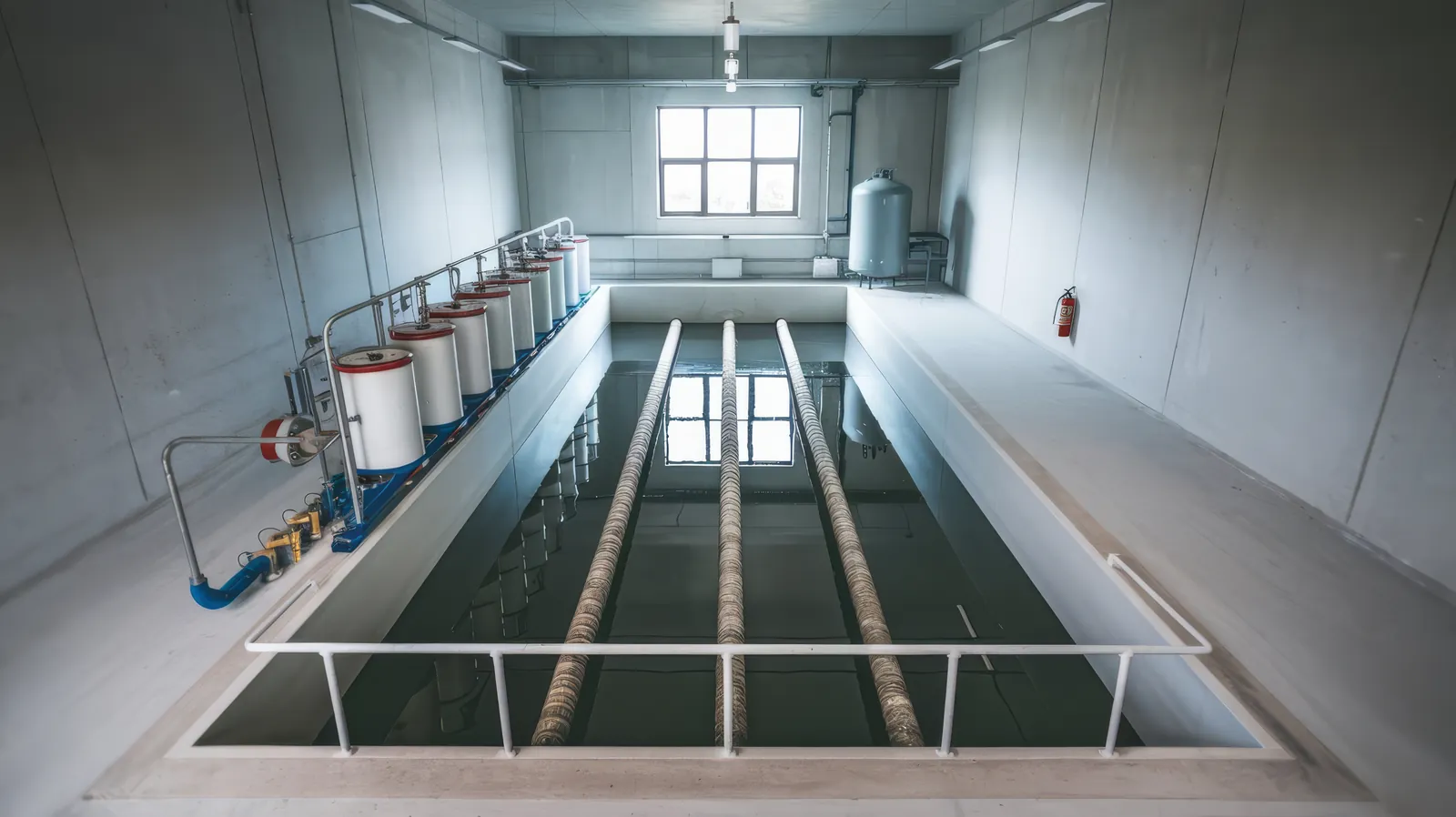
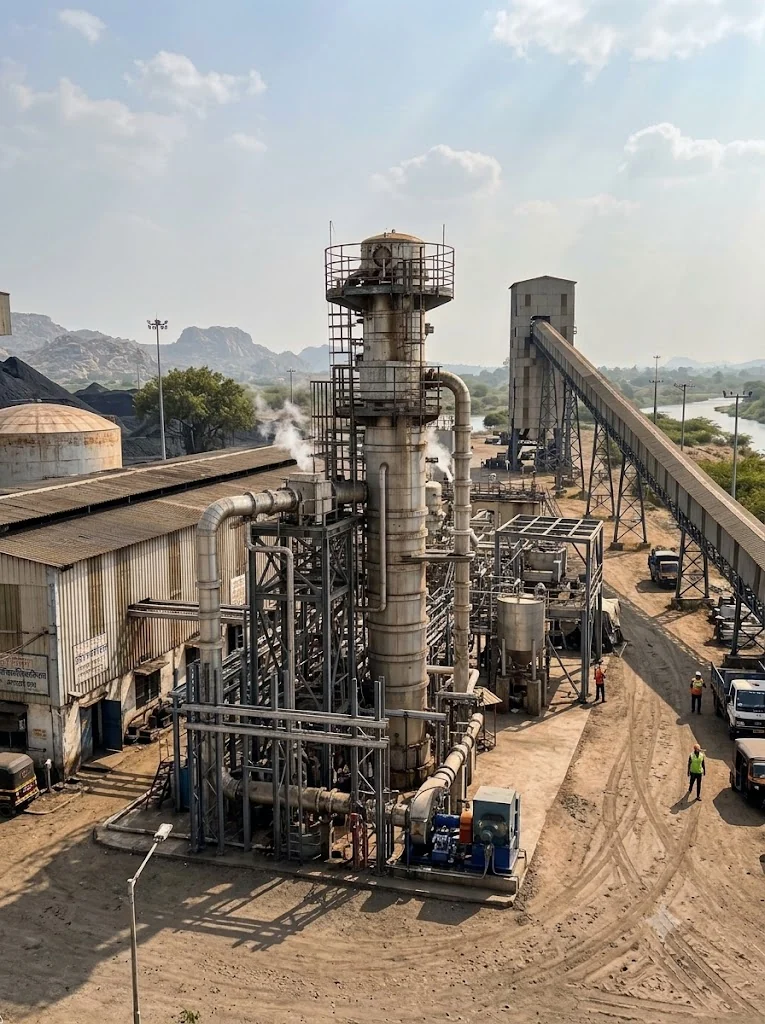
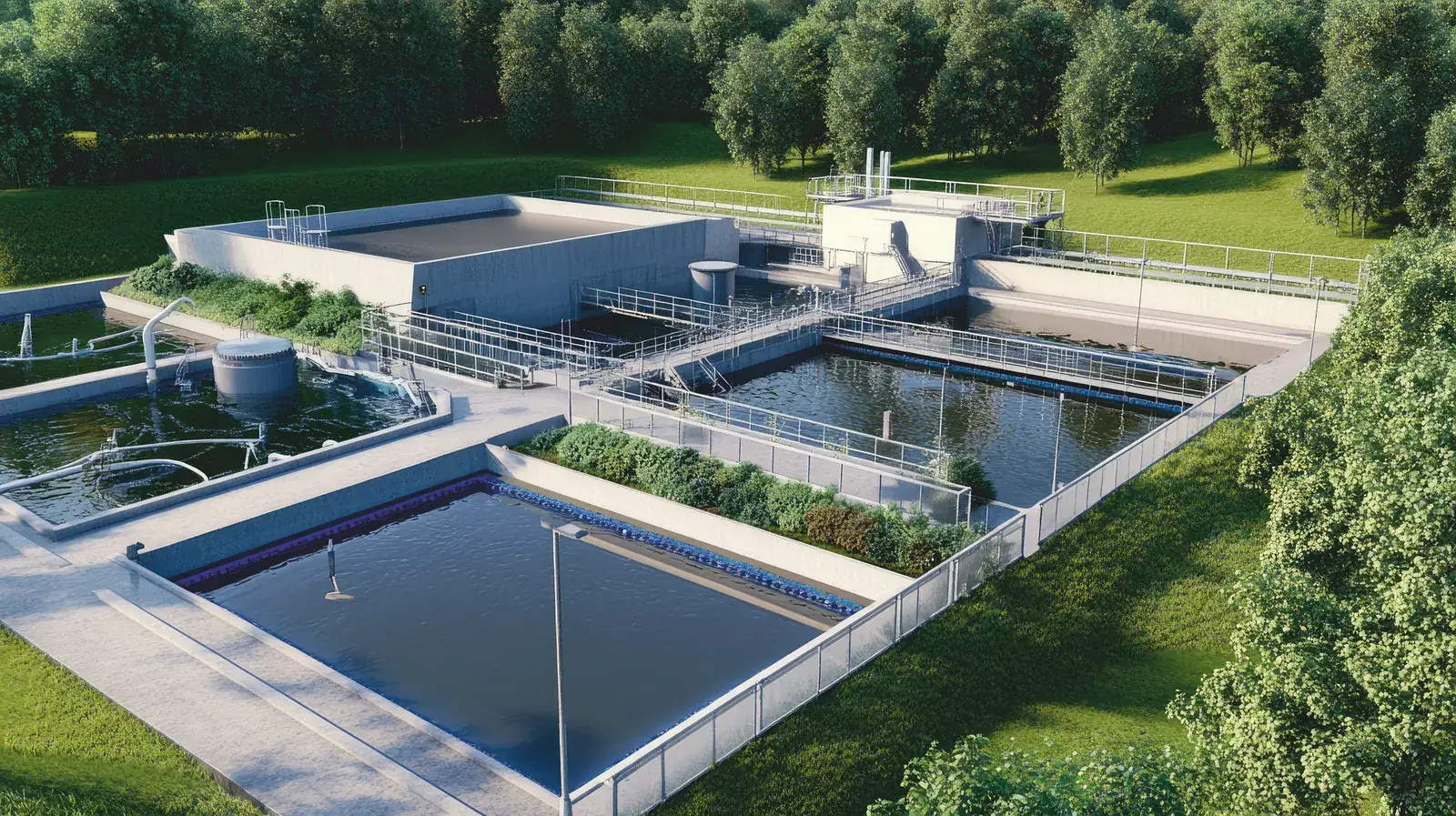
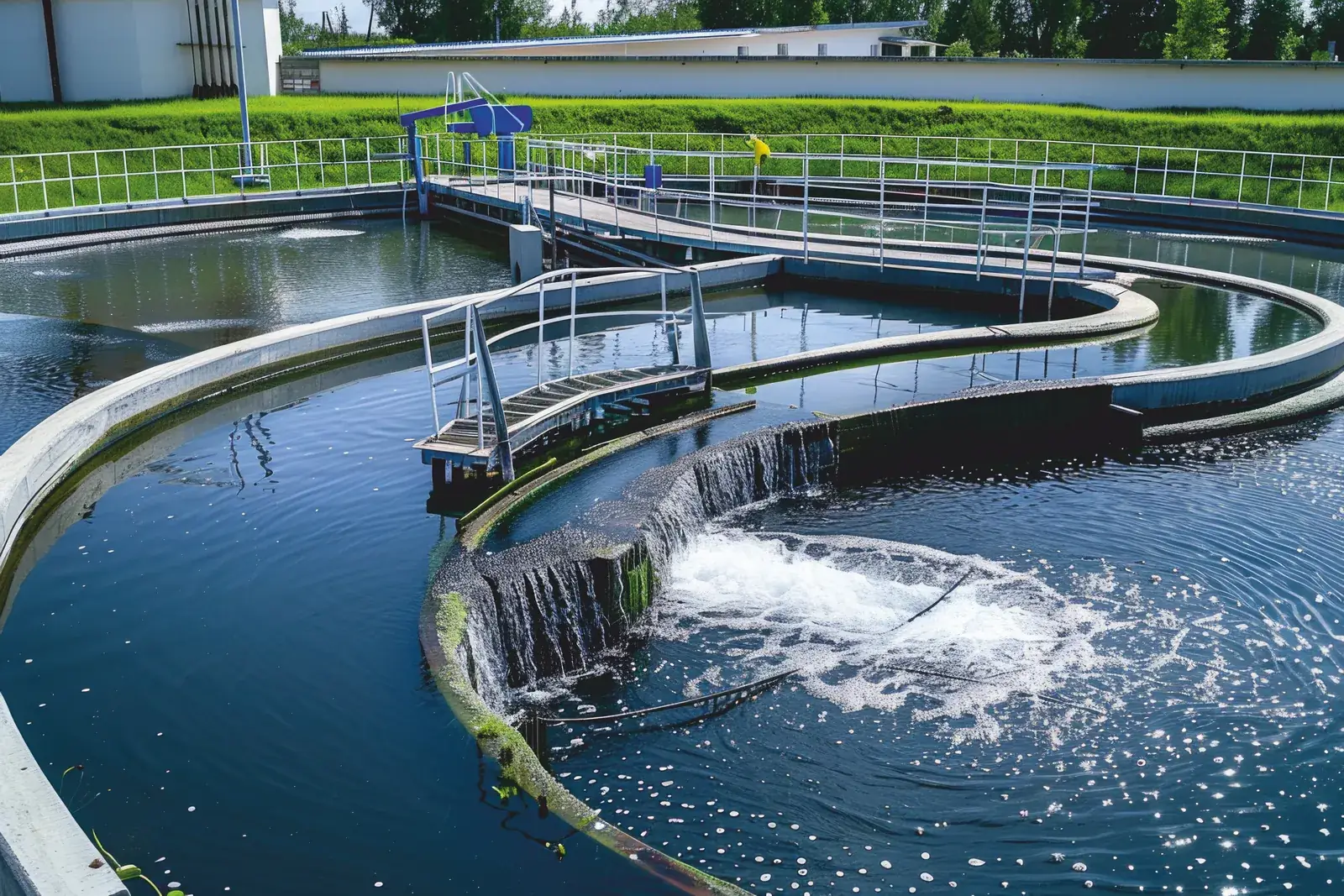
An Effluent Treatment Plant (ETP) is a critical facility designed to treat wastewater generated from industrial operations. The primary purpose of an ETP is to ensure that effluent meets regulatory discharge standards, thereby protecting environmental quality and public health. ETPs are essential components of industrial sustainability, enabling the safe management and reuse of water resources.

Treatment Processes

Pre-Treatment:
  • Screening: The effluent is first subjected to mechanical screening to remove large solids, debris, and particulate matter that could disrupt subsequent treatment processes. This step is crucial for safeguarding equipment and enhancing operational efficiency.
  • Grit Removal: Heavy inorganic materials, such as sand and gravel, are removed in grit chambers through sedimentation, reducing the risk of abrasion and clogging in downstream equipment.
Primary Treatment
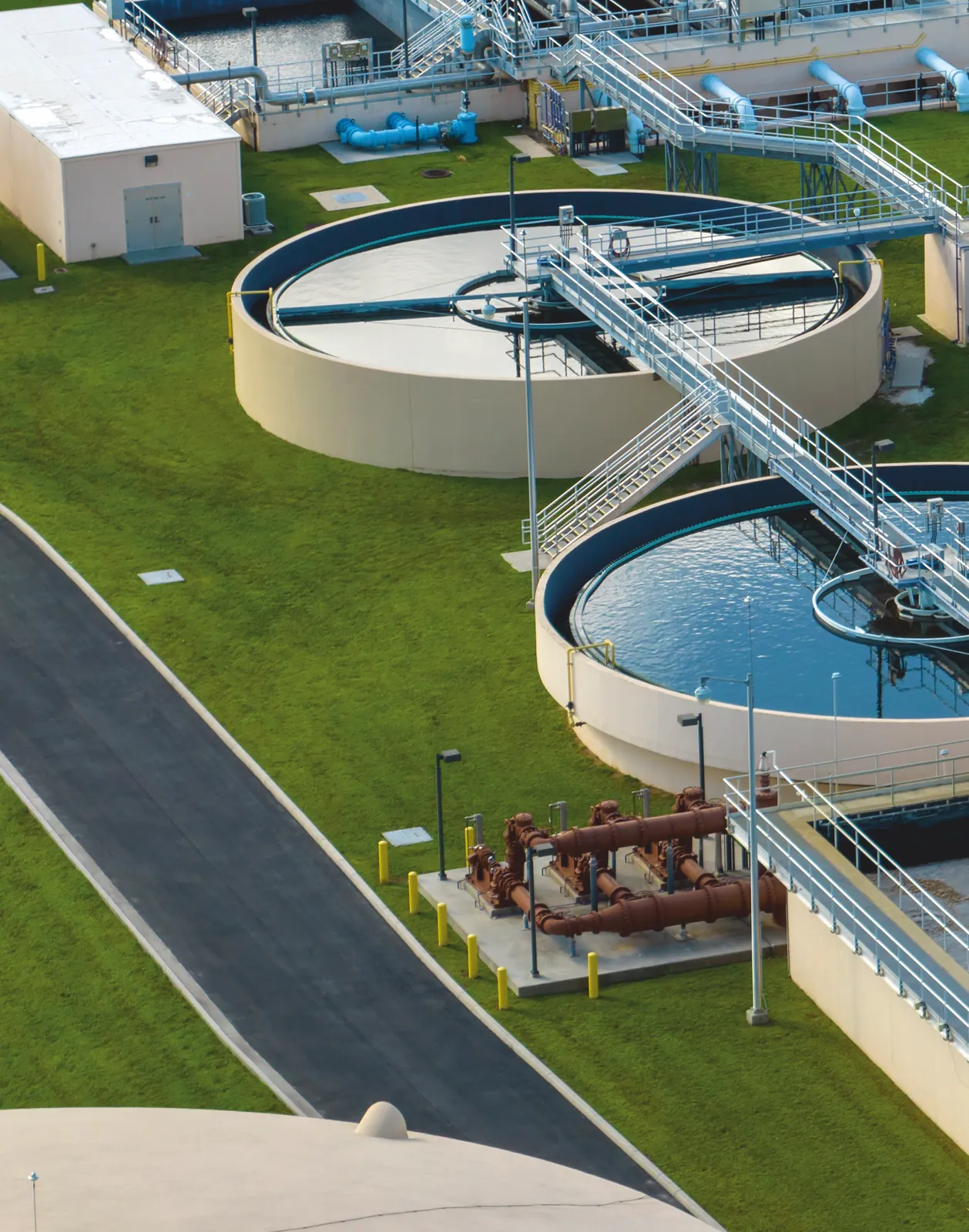
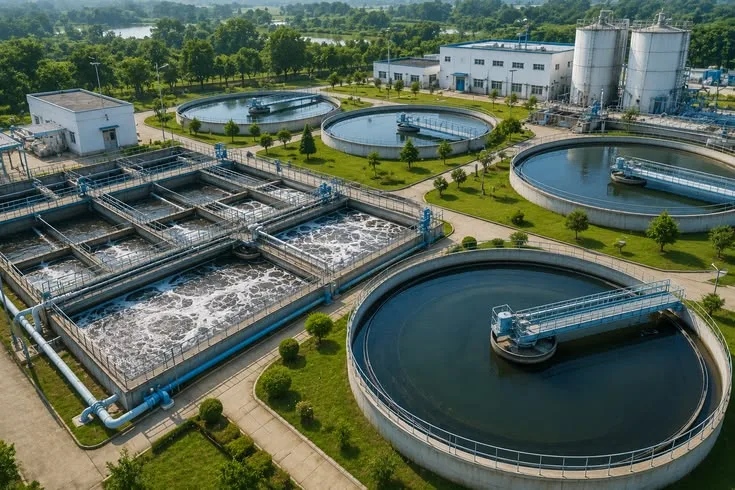
  • Sedimentation: In primary clarifiers, the effluent is retained in large settling tanks, allowing heavier solids to settle as sludge at the bottom. This process significantly reduces the load of suspended solids and organic matter in the effluent.
  • Skimming: Floating materials, including oils and greases, are collected using skimmers, which help to improve the quality of the treated effluent.
Secondary Treatment
  • Biological Treatment: This stage employs biological processes to further reduce organic contaminants:
    • Activated Sludge Process: Aeration tanks introduce air into mixed liquor, promoting the growth of aerobic microorganisms that digest organic matter. The effluent then moves to secondary clarifiers, where the biomass is separated from the treated water.
    • Trickling Filters: In this method, effluent is distributed over a media bed, allowing biofilm-covered surfaces to metabolize organic contaminants as the wastewater trickles through.
Tertiary Treatment
  • Advanced Filtration: Following biological treatment, the effluent may undergo advanced filtration (e.g., sand filters, membrane filtration) to remove finer particulates and pathogens.
  • Chemical Treatment: Coagulation and flocculation processes are employed to aggregate remaining solids, facilitating their removal from the effluent stream.
  • Disinfection: To ensure microbiological safety, disinfection methods such as chlorination, ultraviolet (UV) treatment, or ozonation are utilized, effectively eliminating pathogens and ensuring compliance with health standards.
Sludge Treatment

The sludge generated from primary and secondary treatment processes undergoes further treatment, which may include anaerobic digestion, thickening, and dewatering. This process minimizes the volume of sludge and stabilizes organic matter, preparing it for safe disposal or potential reuse in applications such as landfilling or composting.

Discharge and Reuse

The treated effluent can be discharged into receiving water bodies in accordance with environmental regulations or reused in various applications, such as irrigation, industrial cooling, or process water, depending on the quality achieved through treatment.

Significance of Effluent Treatment
  • Environmental Protection: ETPs are crucial for preventing the discharge of untreated or inadequately treated effluent, thereby protecting aquatic ecosystems and maintaining water quality in natural water bodies.
  • Regulatory Compliance: Industries must comply with stringent effluent discharge standards set by governmental and environmental agencies. ETPs play a vital role in achieving and maintaining compliance, thereby mitigating legal and financial risks.
  • Resource Recovery: Modern ETPs increasingly focus on resource recovery, enabling the extraction of water, nutrients, and energy from wastewater, thereby contributing to a circular economy and promoting sustainable industrial practices.
Challenges and Considerations
  • Capital and Operational Expenditure: Establishing and maintaining an ETP requires substantial capital investment, and ongoing operational costs must be managed efficiently to ensure financial viability.
  • Technology Selection: The selection of appropriate treatment technologies must align with the specific characteristics of the effluent, including chemical composition, volume, and regulatory requirements. Customization is essential for optimal performance.
  • Monitoring and Maintenance: Continuous monitoring and maintenance of ETP systems are essential to ensure compliance, operational efficiency, and safety. Personnel must be adequately trained to manage complex treatment processes and respond to operational challenges.

Effluent Treatment Plants are integral to modern industrial operations, serving as a vital mechanism for managing wastewater responsibly. By effectively treating industrial effluent, ETPs protect environmental integrity, ensure compliance with regulatory frameworks, and facilitate resource recovery. As industries adapt to evolving environmental challenges and regulatory landscapes, the significance of efficient and innovative effluent treatment solutions will continue to grow, driving advancements in sustainable water management practices.

Frequently Asked Questions

An ETP, or Effluent Treatment Plant, treats industrial wastewater containing chemicals, dyes, oils and heavy metals before discharge or reuse. It is needed to meet CPCB and GPCB pollution-control norms, protect the environment, avoid penalties and enable water recycling in industries like textile, pharma and chemicals.
An STP treats domestic sewage from toilets, kitchens and bathrooms, focusing on organic load, while an ETP treats industrial effluent with chemical and hazardous contaminants. ETP processes are customised to the specific industry, whereas an STP uses standard biological treatment.
An ETP treats effluent so it can be safely discharged within limits, while Zero Liquid Discharge goes further, recovering almost all the water and leaving no liquid waste. ZLD is mandated for certain polluting industries. Crown Puretech designs both based on your compliance requirement.
Textile effluent has high colour, COD and TDS, so the ETP combines physico-chemical treatment, biological stages and tertiary polishing, often with colour removal and RO for reuse. Crown Puretech designs the process around your actual effluent characteristics and GPCB consent conditions.
CPCB sets limits for parameters such as pH, BOD, COD, TSS, oil and grease and specific pollutants depending on the industry. Treated effluent must meet these limits before discharge. Crown Puretech designs ETPs to consistently achieve the required outlet parameters.
Operating cost drops with energy-efficient aeration, automation, correct chemical dosing, sludge minimisation and water recovery for reuse. A well-designed ETP and a maintenance contract prevent costly failures. Crown Puretech offers audits and AMC to optimise running costs.

Get in Touch