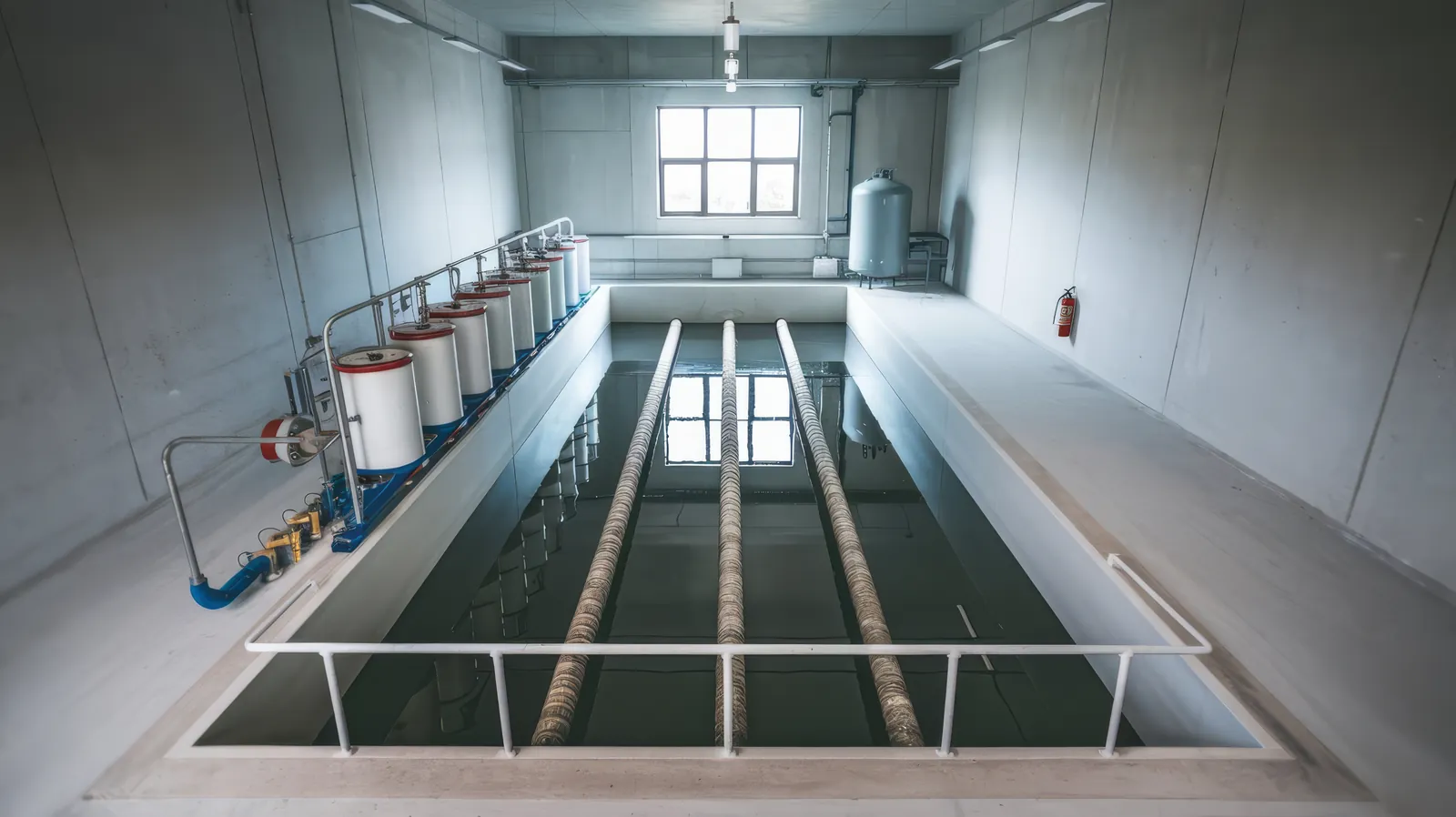
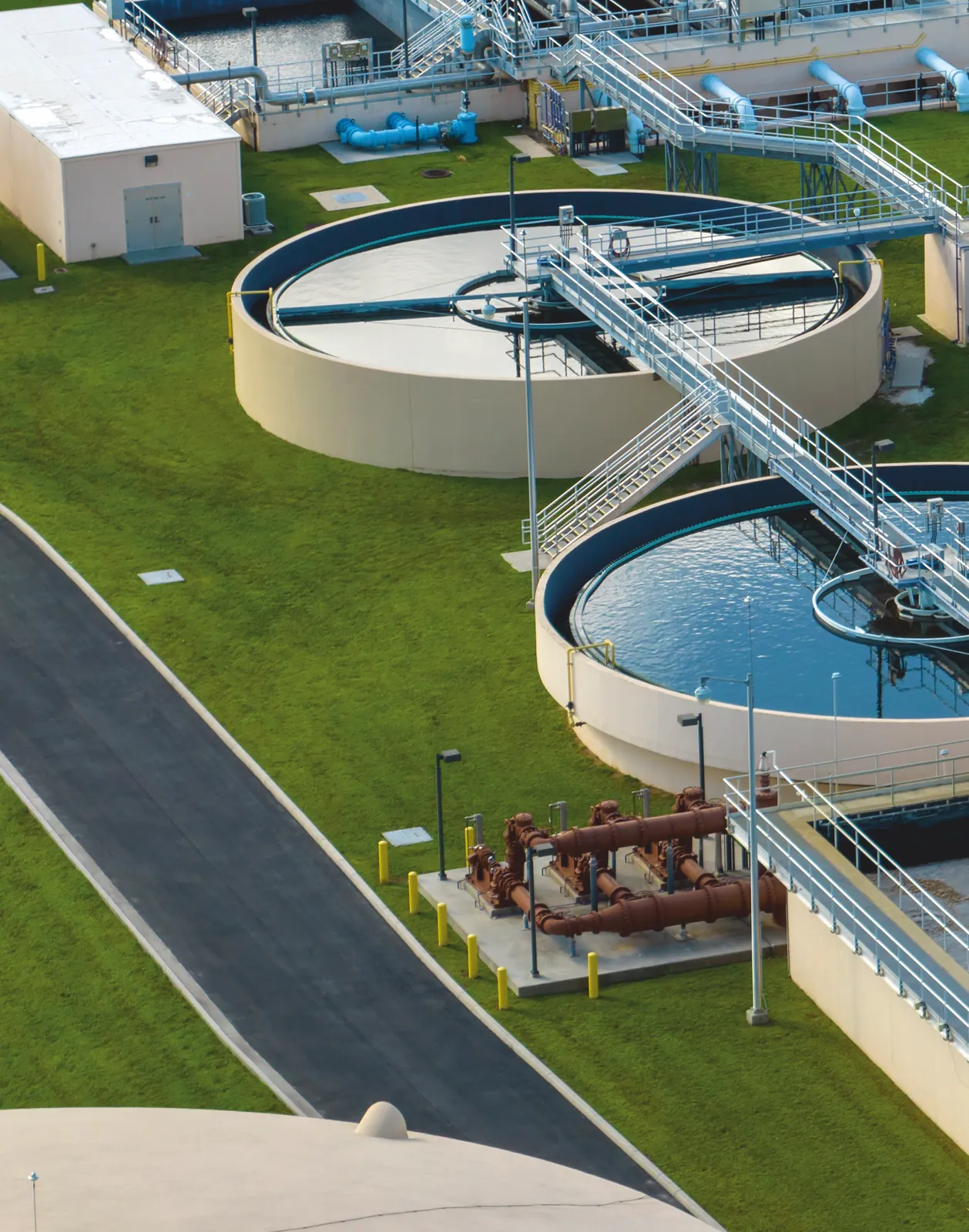
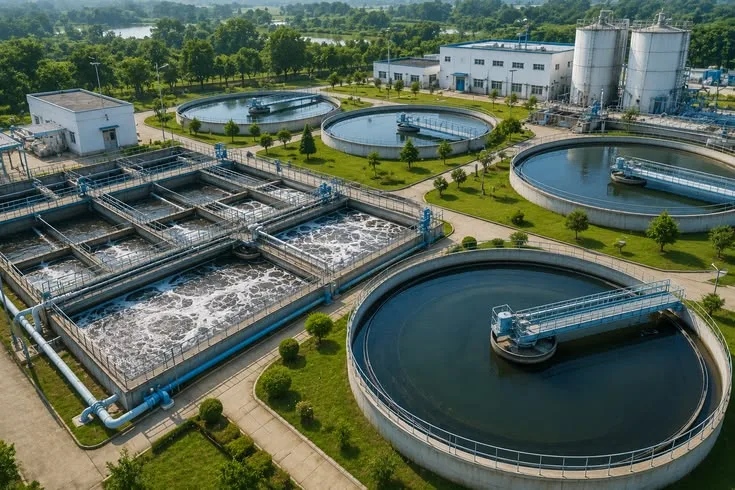
Zero Liquid Discharge is an advanced water management strategy that aims to eliminate the discharge of liquid waste into the environment by recovering and reusing as much water as possible from industrial processes. ZLD systems are particularly pertinent in industries where water scarcity, environmental regulations, and sustainability initiatives are of paramount concern. By converting wastewater into solid by-products and reclaiming water for reuse, ZLD promotes efficient resource utilization and environmental stewardship.
Zero Liquid Discharge (ZLD) is an advanced treatment approach aimed at maximizing water recovery and minimizing waste. It reduces contaminants to solid waste. ZLD systems are highly challenging due to increased cost and treatment complexity as waste water becomes more concentrated, making it a demanding solution for industries committed to sustainable practices and regulatory compliance.
Key Features of Zero Liquid Discharge
Maximized Water Recovery
ZLD systems are designed to recover nearly all the water from wastewater streams, significantly reducing reliance on freshwater sources and enhancing overall water conservation efforts.
Minimization of Liquid Waste
Through advanced treatment processes, ZLD reduces liquid waste to negligible levels, facilitating the transformation of wastewater into solid materials or reusable products.
Regulatory Compliance and Environmental Sustainability
ZLD systems assist industries in adhering to stringent environmental regulations regarding wastewater discharge, thereby fostering compliance and enhancing corporate sustainability initiatives.
Ideal For
Desalination Plants
Refineries and Petrochemicals
Textile and Dyeing Units
Our Expertise
Offering advanced solutions for complete water recovery and waste minimization. Our expertise includes designing and implementing efficient ZLD processes that convert wastewater into reusable water and solid waste, meeting stringent environmental standards while optimizing operational costs for industries.
Follow the water. It comes out cleaner at every stage, from the raw inlet to water that is fit to discharge or reuse.
RawTreated
01
Pre-Treatment
Screening and Filtration
Initial processes involve mechanical screening and filtration to eliminate large solids and particulates from the wastewater, preparing it for subsequent treatment stages.
02
Primary Treatment
Sedimentation
In sedimentation tanks, suspended solids are allowed to settle under gravity, reducing the organic and solid load in the effluent prior to biological treatment.
03
Secondary Treatment
Biological Treatment
This phase employs microbial processes to further degrade organic contaminants. Common methods include:
Activated Sludge Process
Aerobic microorganisms metabolize organic matter in aeration tanks.
Sequencing Batch Reactors (SBR)
A flexible biological treatment method that operates in batch mode, optimizing retention time and operational efficiency.
04
Advanced Treatment
Membrane Technologies
Advanced filtration methods such as ultrafiltration (UF) and reverse osmosis (RO) are utilized to separate clean water from dissolved solids and contaminants, producing high-quality effluent suitable for reuse.
Evaporation Techniques
Thermal or membrane-based evaporation processes concentrate the remaining liquid waste, facilitating the removal of water while leaving behind solid residues.
05
Solid Residue Management
Sludge line
The concentrated waste stream undergoes further processing, which may involve:
Crystallization
Converting dissolved salts and other materials into solid crystals, which can be disposed of or reused.
Disposal Methods
Options such as landfill disposal or incineration, in compliance with regulatory standards, are employed for final solid waste management.
Water Reuse
The reclaimed water is repurposed for various applications, including industrial processes, irrigation, and potentially potable uses, depending on the treatment efficacy and regulatory guidelines.
ZLD significantly curtails freshwater consumption, making it particularly advantageous in arid regions and industries with high water usage.
Environmental Protection
By eliminating liquid waste discharge, ZLD reduces the risk of water pollution and safeguards aquatic ecosystems from harmful contaminants.
Regulatory Adherence
Implementing ZLD systems enables industries to comply with stringent wastewater regulations, mitigating legal risks and enhancing reputational standing.
Resource Recovery Potential
ZLD supports the recovery of valuable materials from wastewater, promoting circular economy principles and operational cost savings.
What to plan for
Challenges and Considerations
Capital Investment and Operational Costs
The establishment and maintenance of ZLD systems often require significant capital investment and ongoing operational expenses, particularly for advanced treatment technologies.
Complexity of Treatment Processes
ZLD necessitates a sophisticated understanding of various treatment technologies, requiring skilled personnel for effective operation and monitoring.
Market Demand for By-products
The economic feasibility of ZLD can be influenced by the availability of markets for the solid by-products generated during treatment processes.
Zero Liquid Discharge represents a paradigm shift in wastewater management, enabling industries to achieve significant reductions in environmental impact while maximizing resource recovery. By integrating advanced treatment technologies and fostering sustainable practices, ZLD systems not only comply with stringent regulatory frameworks but also contribute to broader ecological preservation efforts. As global water scarcity and environmental concerns intensify, the adoption of Zero Liquid Discharge practices is anticipated to expand, driving innovation and operational efficiency in wastewater treatment across diverse sectors.
FAQ
Frequently Asked Questions
1.What is a Zero Liquid Discharge (ZLD) plant?
A Zero Liquid Discharge plant treats and recovers effluent so that no liquid waste leaves the factory boundary. The treated water is recycled back into the process, cooling or utilities, and the dissolved solids are recovered as solid salt or sludge. A typical scheme combines pre-treatment, membrane concentration and thermal evaporation with crystallisation.
2.Which industries in Gujarat need a ZLD plant?
ZLD is most often applied in textile dyeing and processing, chemicals and dye intermediates, pharmaceuticals, pulp and paper, tanneries and distilleries - particularly units generating high-TDS effluent inside notified industrial clusters. Whether it applies to your unit depends on your industry category and the conditions in your GPCB consent order.
3.What is the difference between an ETP and a ZLD plant?
An ETP treats effluent until it meets the prescribed discharge norms, after which it is released. A ZLD plant goes further: it concentrates and evaporates that treated stream so nothing is discharged and the water is recovered for reuse. In practice ZLD is usually built on top of an existing ETP rather than replacing it.
4.What are the main stages of a ZLD system?
Pre-treatment (screening, neutralisation and chemical treatment), biological treatment where organic load is present, membrane concentration using RO or nanofiltration to recover clean water, evaporation of the reject in a multiple-effect evaporator or MVR, and finally crystallisation and drying to produce a solid salt cake.
5.How much water can a ZLD plant recover for reuse?
Recovery depends entirely on effluent chemistry - TDS, hardness, silica and organic load all affect it. A well-designed scheme recovers the large majority of the water for reuse, with the balance leaving as solid salt. Crown Puretech confirms the achievable recovery only after a laboratory analysis of your actual effluent, never as a blanket figure.
6.Is ZLD expensive to operate?
The evaporation stage is the energy-intensive part, which is why the design aims to send as little water as possible to the evaporator. Correct membrane concentration upstream, heat recovery, MVR instead of conventional evaporation where suitable, and recovering reusable water all reduce the running cost. Crown Puretech engineers the scheme around minimising lifetime operating cost, not just capital cost.