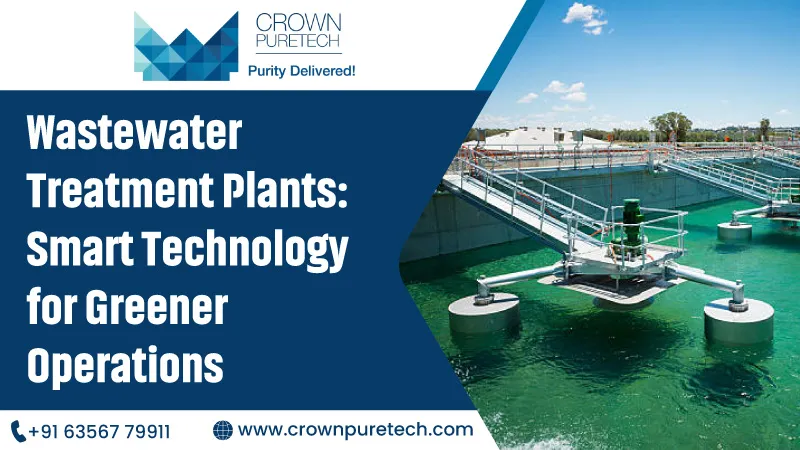
In the face of growing environmental concerns and increasing global demand for clean water, wastewater treatment is becoming more critical than ever. Modern Wastewater Treatment Plants in Gujarat are evolving to meet the challenges of water scarcity, pollution control, and regulatory compliance. Today, the integration of smart technologies into wastewater treatment processes is revolutionizing the way we manage this precious resource. In this article, we will explore how smart technologies are transforming wastewater treatment plants and enabling greener, more efficient operations.
The Importance of Wastewater Treatment
Wastewater refers to water that becomes polluted after being used in different daily or industrial activities, industrial processes, agriculture, or domestic usage. The key role of wastewater treatment plants is to remove harmful substances—such as chemicals, biological contaminants, and physical waste—from wastewater before it is either discharged back into the environment or reused.
Challenges Facing Traditional Wastewater Treatment
Traditional wastewater treatment methods have served humanity well for decades, but they come with significant challenges. These systems often require vast amounts of energy, generate large quantities of sludge, and rely heavily on chemical treatments to remove contaminants. While effective, these conventional methods are not always the most sustainable or cost-efficient solutions.
How Smart Technologies Are Shaping the Future of Wastewater Treatment
Modern wastewater treatment plants are now integrating advanced technologies to overcome traditional limitations. Crown Puretech, a leading Wastewater Treatment Plant manufacturer in Gujarat, offers comprehensive solutions that include:
- Internet of Things (IoT) and Real-Time Monitoring: One of the key advancements in wastewater treatment is the implementation of IoT devices and sensors. These sensors are installed at various points in the treatment plant and collect real-time data on water quality, flow rates, and other critical parameters. By continuously monitoring the system, these sensors can detect any anomalies or issues that might affect the treatment process.
- Artificial Intelligence (AI) and Machine Learning: AI and machine learning technologies are transforming the way wastewater treatment plants optimize their operations. These technologies are used to analyze vast amounts of data collected by sensors and make predictions about plant performance. By using historical data, real-time measurements, and predictive algorithms, AI systems can anticipate problems, identify trends, and suggest improvements in the treatment process.
- Energy-Efficient Systems: Energy consumption is one of the largest operational costs for wastewater treatment plants. Traditional treatment processes, such as aeration, require large amounts of energy. However, new energy-efficient systems can optimize energy use without compromising on performance.
- Automation and Control Systems: Automation is another key technology that is enhancing the efficiency of wastewater treatment plants. By automating key processes such as flow control, chemical dosing, and filtration, treatment plants can reduce human error and ensure consistency across operations.
- Resource Recovery Technologies: Modern wastewater treatment is moving toward smarter, more eco-friendly methods, and resource recovery has become a major part of that shift. Today, many Wastewater Treatment Plants in Gujarat use advanced technologies to extract useful materials like nutrients, reusable water, and even energy from wastewater. This approach reduces dependence on fresh resources and supports a more practical, circular way of managing water. It’s a step that makes treatment systems both sustainable and economically beneficial in the long run.
Benefits of Smart Technology in Wastewater Treatment
The adoption of smart technology in Wastewater Treatment Plants in Gujarat offers numerous benefits, both environmentally and economically. Some of the key advantages include:
- Enhanced Efficiency: By using real-time data, automation, and AI, smart technologies enable wastewater treatment plants to operate more efficiently. This reduces the consumption of resources like energy, chemicals, and water, while also ensuring that the processed water consistently adheres to the necessary quality benchmarks.
- Cost Savings: Although the initial investment in smart technology can be high, the long-term savings are substantial. AI and predictive maintenance reduce the need for manual labor and expensive repairs. Energy-efficient systems cut operational costs, while resource recovery techniques generate additional revenue streams.
- Environmental Sustainability: Smart technologies help wastewater treatment plants reduce their environmental impact by improving the efficiency of operations and minimizing waste. The use of renewable energy sources and the recovery of valuable resources from wastewater are key steps toward reducing the carbon footprint of treatment plants.
- Improved Compliance: As environmental regulations become more stringent, Wastewater Treatment Plants in Gujarat need to ensure that their efficiency consistently meets the required standards. Smart monitoring systems provide continuous oversight, allowing plants to stay compliant with environmental regulations and avoid costly fines.
Applications for Smart Wastewater Treatment Plants
The versatility of smart treatment plants allows them to serve in a variety of sectors:
- Industrial Facilities: Manufacturing, pharmaceuticals, food & beverage, and power plants.
- Commercial Establishments: Hotels, resorts, hospitals, and office complexes.
- Residential Complexes: Apartments, gated communities, and villas.
- Municipal Water Supply: Large-scale community wastewater purification.
- Agricultural Usage: Irrigation with safe and clean water for crops.
Why Choose Us
At Crown Puretech, we believe that innovation is the key to sustainable wastewater management. Our team of experts is dedicated to providing customized solutions that meet the unique needs of each client. With a focus on smart technologies, energy efficiency, and resource recovery, we help businesses reduce their carbon footprint, improve compliance, and achieve their environmental goals. Choose Crown Puretech for reliable, efficient, and eco-friendly wastewater treatment solutions that make a real difference.
Conclusion
The integration of smart technologies into Wastewater Treatment Plants in Gujarat is paving the way for a more sustainable and efficient future. From IoT sensors and AI-powered analytics to energy-efficient systems and resource recovery, these innovations are transforming how wastewater is treated, making it more environmentally friendly and cost-effective.
For more information on wastewater treatment systems call us today at +91 98987 79911 or email sales@crownpuretech.com.
Key Takeaways:
- Real-Time Monitoring with IoT: Sensors continuously track water quality, flow rates, and critical parameters, allowing for faster detection of anomalies and improved operational efficiency.
- AI & Machine Learning Optimization: AI analyzes historical and real-time data to predict issues, optimize processes, and suggest improvements, reducing manual intervention and enhancing plant performance.
- Energy-Efficient & Automated Operations: Smart automation and energy-saving systems lower operational costs while ensuring consistent water treatment quality.
- Resource Recovery for Sustainability: Advanced plants extract reusable water, nutrients, and energy from wastewater, promoting a circular, eco-friendly approach.
- Environmental Compliance & Cost Savings: Smart technologies help plants meet regulatory standards, reduce resource consumption, and generate long-term economic and environmental benefits.