

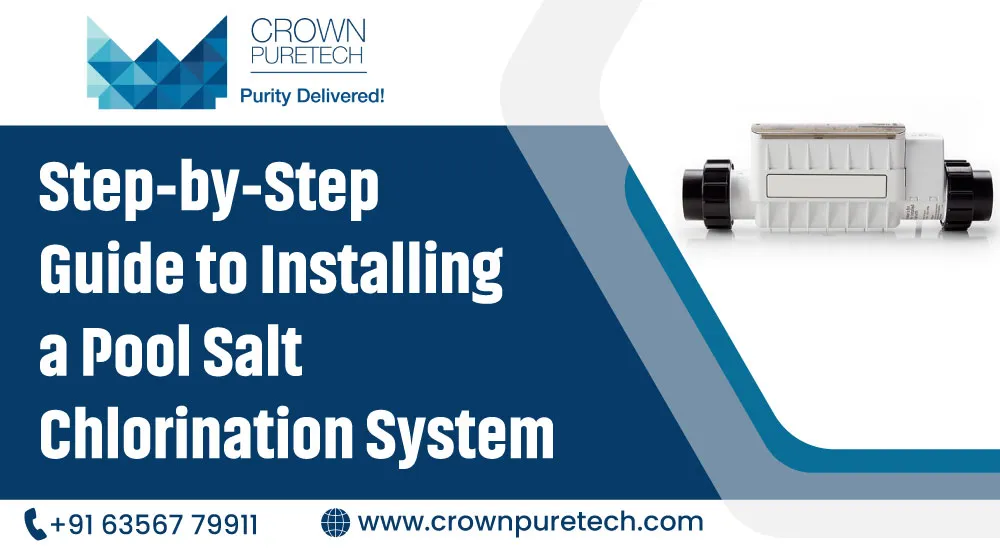
Swimming pools are the ultimate luxury for relaxation and recreation but maintaining clean and safe water can be challenging. Traditional chlorine methods often leave swimmers with skin irritation, strong odors, and constant maintenance headaches. This is where a salt chlorination system for swimming pools comes in — a smart, eco-friendly, and cost-effective way to purify water while reducing manual effort.
In this comprehensive guide, we’ll walk you through everything you need to know about installing a saltwater chlorinator — from understanding its benefits to a detailed step-by-step installation process. Whether you are a pool owner or a maintenance professional, this guide will help you make the most of modern chlorination technology.
What Is a Salt Chlorination System?
A salt chlorination system for swimming pools is an advanced purification system that converts common salt into chlorine through a process called electrolysis. Instead of manually adding chlorine chemicals, this system automatically generates chlorine from salt dissolved in pool water.
When the saltwater passes through the electrolytic cell, it undergoes a mild electric charge, producing chlorine that keeps your pool clean, fresh, and bacteria-free. After disinfecting the water, the chlorine reverts back to salt, making the process continuous and sustainable.
Benefits of Using a Saltwater Chlorinator
Installing a saltwater chlorinator offers several long-term advantages:
- Healthier Swimming Experience: The water feels softer and smoother because the chlorine levels are naturally balanced. Swimmers often experience fewer eye and skin irritations compared to pools maintained with harsh chemical chlorine.
- Cost Savings Over Time: While the initial setup may cost more, maintenance and chemical costs drop significantly. You won’t have to buy and store chlorine repeatedly, making it a smart financial choice.
- Consistent Chlorine Levels: The salt chlorination system for swimming pools continuously produces chlorine as needed, reducing fluctuations and keeping the pool water consistently clean.
- Eco-Friendly Solution: The process uses natural salt, reducing chemical waste and minimizing harm to the environment. It’s a sustainable option for modern homes and resorts.
- Low Maintenance: Once installed, a swimming pool salt chlorinator requires minimal manual intervention. The system automates most of the disinfection process, freeing up your time for relaxation instead of routine maintenance.
Essential Components of a Salt Chlorination System
Before diving into installation, it’s important to know the key parts of a saltwater chlorinator:
- Control Unit: The main hub that manages power flow and chlorine output.
- Electrolytic Cell: Converts salt into chlorine through electrolysis.
- Flow Switch: Detects water movement and activates chlorine generation.
- Salt Cell Housing: Holds the cell securely within the circulation line.
- Sensors and Display: Provide data about water salinity, temperature, and chlorine levels.
Step-by-Step Guide to Installing a Pool Salt Chlorination System
Installing a salt chlorination system for swimming pool is a straightforward process if you follow the right steps. Here’s a detailed breakdown:
Step 1: Assess Your Pool System
Before installation, inspect your pool’s plumbing and filtration layout. Identify the return line — this is where the chlorinator cell will be placed. Ensure your existing pump and filter system are compatible with the saltwater chlorinator.
Step 2: Gather Required Tools and Equipment
You’ll need PVC cutters, Teflon tape, glue, screwdrivers, and mounting hardware. Read the product manual carefully to confirm the additional components required for your specific model.
Step 3: Choose an Ideal Location
Select a dry, shaded area near your filtration system for mounting the control unit. Avoid direct sunlight and water exposure. Proper placement protects the unit and extends its lifespan.
Step 4: Install the Control Unit
Secure the control unit on a wall or a mounting surface. Connect it to a reliable power supply following the manufacturer’s electrical guidelines. This unit regulates how much chlorine is generated by your swimming pool salt chlorinator.
Step 5: Install the Electrolytic Cell
Cut the pool’s return line using a PVC cutter and insert the cell housing. The cell should be installed horizontally with proper water flow direction (usually marked on the housing). Apply Teflon tape to fittings for a leak-free connection.
Step 6: Add Pool Salt
Use high-purity pool-grade salt (sodium chloride). Spread it evenly around the pool to allow it to dissolve. Refer to your system manual for the recommended amount — usually 3,000 to 3,500 ppm (parts per million).
Step 7: Power Up and Test
Once the salt dissolves completely, switch on the system. The saltwater chlorinator will start generating chlorine. Test your water using a pool test kit to confirm salinity and chlorine levels are within the desired range.
Step 8: Regular Monitoring
Check your system’s digital display regularly for salt and chlorine levels. Clean the electrolytic cell every few months to remove calcium buildup. This helps maintain efficient chlorine production and prolongs the unit’s life.
Maintenance Tips for Longevity
- Inspect the Cell Regularly: Clean it every 3–6 months to remove scale buildup.
- Monitor Salt Levels: Add salt only when levels drop below 3,000 ppm.
- Test Pool Water Frequently: Maintain proper chlorine and pH balance.
- Store the Unit Safely in Off-Season: If you close your pool during winter, disconnect and store the control unit in a dry place.
Advantages of Choosing Crown Puretech
Crown Puretech has established itself as a trusted name in pool water treatment technology. The company designs durable and efficient salt chlorination systems for swimming pools that meet international quality standards. Each system is built to deliver consistent water purity with minimal operational effort.
Crown Puretech’s saltwater chlorinator models are designed for both residential and commercial pools, offering unmatched energy efficiency and advanced automation. Their innovative technology helps pool owners enjoy crystal-clear water with reduced chemical usage and operational costs.
Why Choose Us
At Crown Puretech, we take pride in providing cutting-edge water treatment solutions tailored to your pool’s specific needs. Our salt chlorination systems for swimming pools are crafted using advanced technology that promotes clean, safe, and soft water. We believe in offering high-quality products that deliver lasting performance and reliability. Our team of experts assists you from installation guidance to post-installation support, making your experience smooth and rewarding. When you choose Crown Puretech, you choose a brand committed to purity, precision, and performance.
Conclusion
Installing a salt chlorination system for swimming pool is one of the smartest upgrades for any pool owner. It provides cleaner, softer, and safer water without the constant hassle of handling chemicals. A saltwater chlorinator not only enhances swimming comfort but also reduces long-term maintenance costs. With the right installation and care, your swimming pool salt chlorinator can offer years of reliable service, giving you more time to relax and enjoy your pool.
For more information about Step-by-Step Guide to Installing a Pool Salt Chlorination System, call +91 98987 79911 or email sales@crownpuretech.com — let Crown Puretech help you simplify pool maintenance today!
FAQs
-
1. How does a salt chlorination system for swimming pool work?
It converts salt into chlorine through electrolysis, disinfecting the pool water automatically and continuously. -
2. How much salt should I add to my pool?
Most systems require a salinity level of 3,000–3,500 ppm. Always check your unit’s manual for specific recommendations. -
3. Do saltwater chlorinators eliminate the need for chlorine completely?
No, they generate chlorine naturally from salt. You still maintain chlorine in the water — just without adding chemicals manually. -
4. How often should I clean the salt cell?
Clean the electrolytic cell every 3–6 months or when you notice reduced chlorine output. -
5. Can I convert my existing chlorine pool to a salt chlorination system?
Yes, most traditional pools can be easily converted by installing a swimming pool salt chlorinator compatible with your setup.