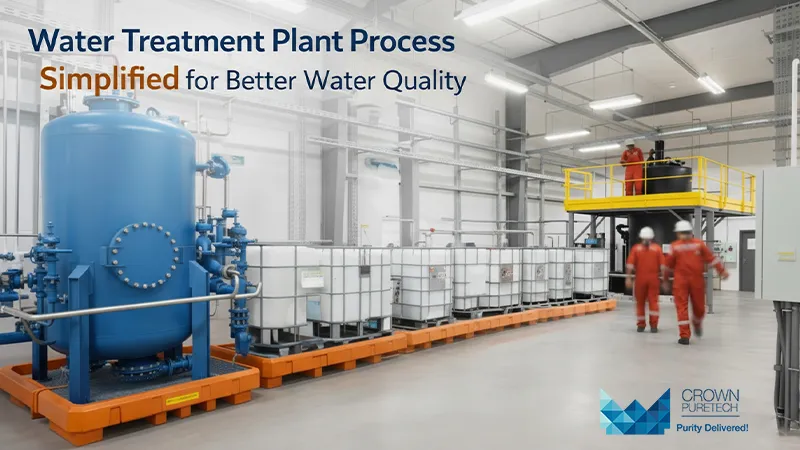
Healthy communities and effective industries depend on clean and safe water. Due to the rising rate of urbanization and industrialization, the demand for sophisticated water purification systems has also risen at a high rate. The knowledge of the operation of a water treatment plant assists a business and the municipalities in making sound decisions concerning water quality, sustainability, and compliance. describes the entire process of water treatment plant in simple and pragmatic terms, considering the industrial and other commercial applications of the process with an emphasis on expertise of Crown Puretech in offering reliable water treatment plant solutions.
Understanding the Importance of Water Treatment Plants
Water treatment facilities are critical towards the elimination of physical, chemical and biological pollutants in crude water. Unfiltered water usually consists of dissolved salts, industrial waste, harmful microorganisms, as well as suspended solids. Such contaminants impact human health, destroy industrial equipment, and lower the efficiency of the process.
In the case of industries, the quality of water has a direct effect on productivity, quality of the products produced, and the operating costs of the industry. That is why numerous companies turn to professional services of reliable companies such as Crown Puretech that design and offer effective systems in different applications. Be it process water or boiler feed water or wastewater reuse; a well-designed treatment plant will ensure a difference will be clearly recorded.
In industries where the industrialization process is rapid like in Gujarat, the need to use complex solutions such as a water treatment plant in Gujarat has grown steadily because of the high environmental standards and water shortage issues.
Raw Water Collection and Screening
Water treatment process starts with the collection of raw water in form of rivers, lakes, borewells or reservoirs. Such water can be carrying leaves, plastics, stones, and other huge debris. The initial physical barrier to the treatment process is screening.
The floating and suspended materials are removed by coarse and fine screens. This measure prevents the damage of downstream equipment and enhances the effectiveness of further curative processes. In industrial installations, and particularly where dealing with large quantities of water, this division is vital in ensuring that there is good flow of operations in the plant and this is one of the considerations in any industrial water treatment plant in Ahmedabad.
Coagulation and Flocculation Process
The water passes through a screening process after which it goes to coagulation and flocculation. At this stage, particles that are not able to settle naturally are targeted and are targeted. Alum or ferric salts are added to the water as coagulants. The electrical charges of the particles are neutralized by these chemicals, and this gives the particles the opportunity to bind.
In the flocculation process, a careful mixing of the mixture helps these particles to create larger groups called flocs. These are so heavy that they settle in the subsequent stage. This acts to enhance the level of clarity and minimizes turbidity, hence making it a major process in enhancing the quality of the water in the various municipal and industrial systems fed by the industrial water treatment plant manufacturers.
Sedimentation and Clarification
Sedimentation makes the flocs that are developed in the process of coagulation settle at the base of large tanks known as clarifiers. The primary role here is played by gravity. Clear water will be brought to the surface whereas settled sludge is accumulated on the bottom to be handled further.
Suspended solids and organic load are greatly minimized by clarification. This step enhances the level of filtration and minimizes the use of chemicals at a later on in the procedure. A high-quality sedimentation design is of utmost importance in many industries that seek a reliable water treatment plant in Gujarat with the aim of reducing the cost of maintenance and also enhancing the life of the plant.
Filtration for Enhanced Purity
One of the most vital processes in the water treatment plant process is filtration. The purified water is filtered through the various filter media of sand, anthracite or activated carbon. Such filters eliminate the leftover fine particles, microorganisms and impurities. Multi-grade sand filters and activated carbon filters are common when applied to industrial use. They aid in eliminating color, smell and organic impurities. Crown Puretech has a properly designed filtration system that facilitates the consistency of water quality, which is critical in production processes and in protecting equipment.
The industries within the urban centers usually require tailor-made filtration plants and hence the industrial water treatment plant solutions in Ahmedabad are highly specialized and application specific.
Disinfection and Microbial Control
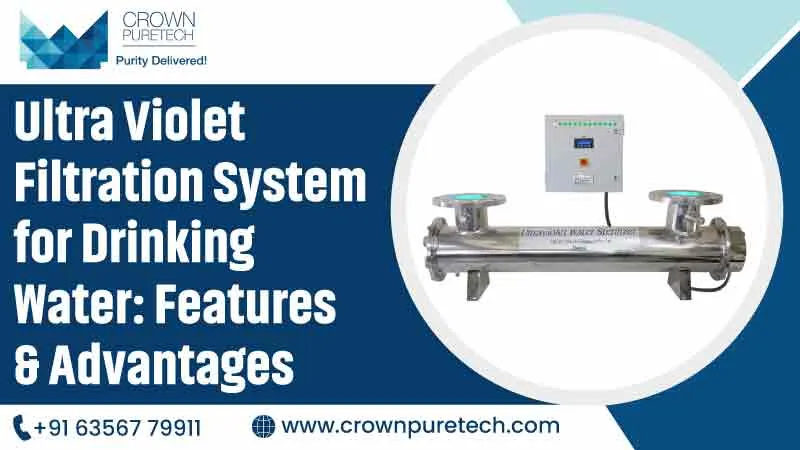
Water can also be toxic even after it is filtered. This is solved through disinfection. Ordinary disinfection procedures encompass chlorination, ultraviolet and ozonation. Chlorination is still popular because it is effective and has a residual effect. UV systems are also desired in the case of chemical free treatment. The step protects the health of the population and safety of the industry. A good number of the manufacturers of the industrial water treatment plants include the advanced disinfection technologies in order to achieve high standards of quality.
Advanced Treatment Processes for Industrial Needs
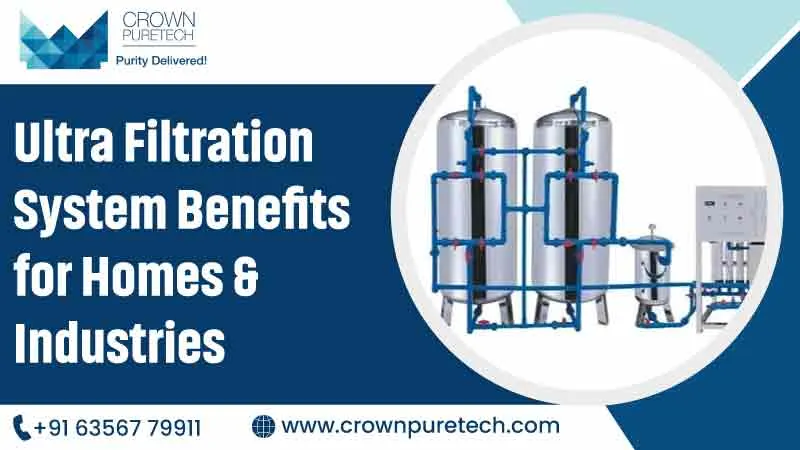
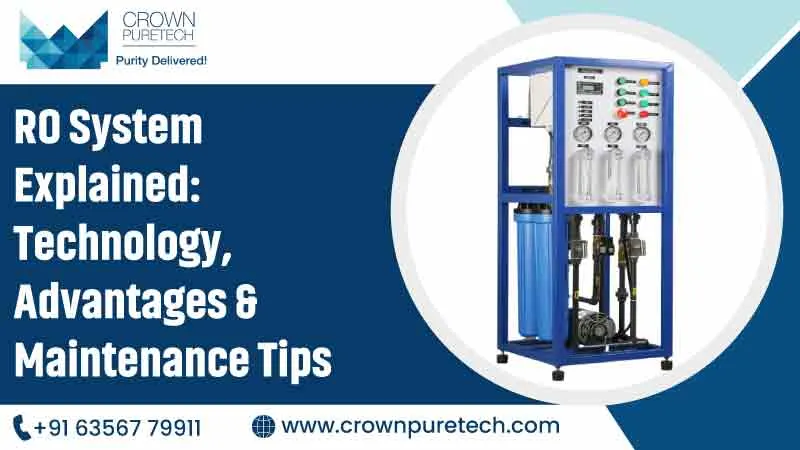
There are usually water quality parameters needed by industries. Techniques of treatment are developed to satisfy these needs. These are reverse osmosis, softening, demineralization and ultrafiltration. The dissolved salts, heavy metals, and microorganisms are removed by the reverse osmosis and hence this process is most suitable in high purity. Water softeners lower the level of hardness-inducing minerals, which provide defense to boilers and heat exchangers. Crown Puretech develops superior structures that are responsive to the needs of industries but at the same time efficient and reliable.
Applications for Water Treatment Plants
Water treatment plants are used in numerous applications which are drinking water supply, food and beverage processing, pharmaceuticals, textiles, power plant and chemical industries. Every app requires a specific solution to treatment design. The flexibility that is presented by the manufacturers of industrial water treatment plants provides the industries with the privilege to choose the systems that are suitable to the operational objectives. Crown Puretech aims at providing performance based solutions that are cost effective and sustainable.
Why Choose Us
Selection of the appropriate partner to offer water treatment solutions has a direct influence on long term outcomes and reliability. Crown Puretech applies technical skills, experience in practical designs and customer-oriented orientation to each of the projects. The company focuses on the use of quality elements, effective engineering, and open communication. Crown Puretech has experience in various industrial sectors and has been providing systems that meet the operational requirements and regulatory demands as well as enabling sustainable practices in water management.
Conclusion
Treatment of water plant process is a scientific, organized methodology of changing raw water into usable and safe water. Since the first stage is screening and coagulation till the final stage in water purification which is advanced treatment, each stage has a specific purpose of enhancing water quality. Trustworthy systems are in the industries and communities, which are helpful regarding health, productivity, and environmental responsibility. Through knowledge of these processes, decision-makers can invest in solutions that can provide the same outcome. Treatment plants are an important aspect of sustainable development and industry development with the increasing and constant water issues.
Looking for expert guidance on Water Treatment Plant Call +91 98987 79911 or email sales@crownpuretech.com
Key Takeaways:
- Screening: The treatment of water is a progressive field. Screening. Coagulation. Filtration. Disinfection. Let one go, and quality of water goes down. Every stage has a reason.
- Coagulation: The water requirements of industries are more than mere cleaning. Hardness. Salts. Microbes. Industries require regulation, not transparency. It is the point that sophisticated treatment procedures are the most important.
- Filtration: Finally, disinfection and filtration determine quality. Clearly, water is not necessarily safe water. Filters polish it. Disinfection protects it. Together, they finish the job.
- Disinfection: There is unspoken reliability enhancement in automation. Sensors don’t get tired. Controls don’t guess. Even in situations where the conditions change, automated systems maintain quality.
- Automation: The appropriate solution partner transforms things. Design experience. Compliance knowledge. Practical execution. That is why the industries rely on Crown Puretech- because long-term water quality is not a trial and error.
Frequently Asked Questions
1. What is the primary objective of a water treatment facility?
The primary aim is to eliminate contaminants in raw water to render it drinking, industrial or reuse depending on the quality standards.
2. What are the differences between an industrial and a domestic water treatment plant?
Industrial plants work at greater volumes and concentrate on the parameters of quality demanded in the manufacturing processes and equipment safety.
3. What is the importance of filtration in the treatment of water?
The process of filtration eliminates small particles and microorganisms that enhance clarity and facilitates good disinfection.
4. What are the industries where advanced water treatment systems are generally used?
Pharmaceuticals, food processing, power generation, textiles, chemicals, and other industries are also industries that are dependent on sophisticated treatment systems.
5. What is the frequency of maintenance of a water treatment plant?
The frequency of maintenance is dependent on water quality, plant design, and operating conditions, however, to enhance long term performance maintenance and servicing should be regularly checked.